Brown Students Learn Rural Medicine in Alaska's Interior
As rural communities struggle to meet health care needs, two medical students look to Alaska’s Interior for a guide.
A young moose sauntered to the river just as we began setting up camp. It dipped its long neck to sip from the swift currents, searching for clear water amid the silt. We froze, captivated by its gangly power, our presence a mere dot against the backdrop of the vast Yukon landscape.
The midnight sun hung low, casting a golden hue over the scene. After days on the water, the river’s rhythm had seeped into us, making us feel like part of the endless wilderness. Shifting to grab a camera, we broke the stillness of the shoreline. The moose bolted into the trees, reminding us of the pact that governs the Yukon: few humans and seemingly never-ending space to roam.
The Yukon River sprawls nearly 2,000 miles across western Canada and Alaska, its wide waters nurturing a rich ecosystem famous for the world’s longest salmon run. Indigenous villages dot the banks, embodying centuries of subsistence living and deep connections to the land. Our journey, undertaken by raft and bush plane in June 2025, was fueled by our curiosity as medical students to explore health care delivery in these remote communities. Here, in this vast isolation, we sought to document the work of community health aides (CHAs) who serve at the geographic limits of America.
We focused our work on three villages: Fort Yukon, Venetie, and Beaver. Like many communities in the Yukon River watershed, they are reachable only by boat or plane. The nearest major city, Fairbanks, is an hour flight away, and the closest connection to any road system is 80 miles downriver in the village of Circle.
The surrounding landscape is breathtaking and notoriously unforgiving, holding both the hottest (100ºF) and coldest (-80ºF) recorded temperatures in all of Alaska. Summer is brief, and winter seems to appear overnight. Planes can be grounded by fog, ice, or crosswinds. Communication pathways can go down, and necessary supplies may run out.
Amidst these perennial hardships, clinics almost never close. CHAs always answer the phone and provide care. They conduct medical traffic and triage with providers in Fairbanks and Fort Yukon, packing sick and injured patients into small planes for medical evacuation. This commitment to caring for their communities and perseverance in the face of the challenges of their unique home stem from the program’s very beginning.
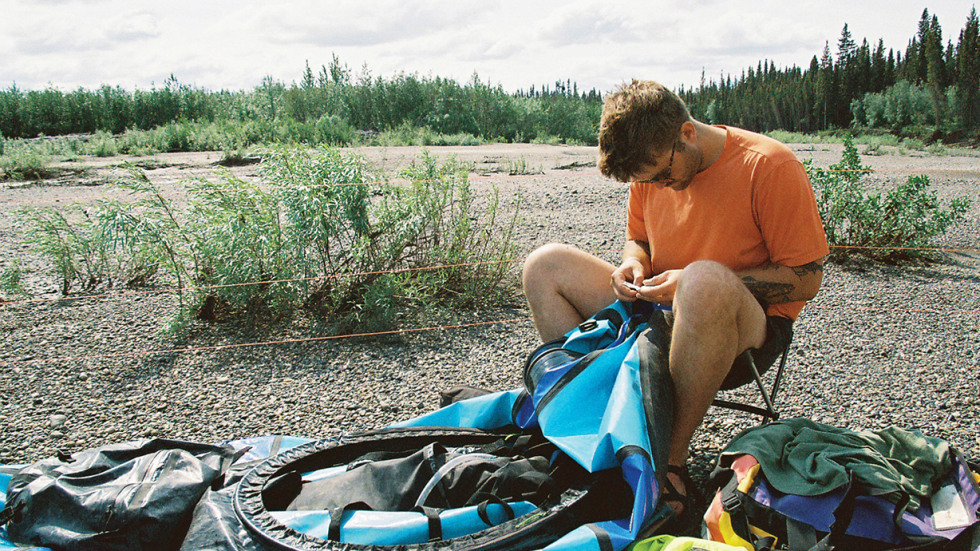
Arran tries to fix the valve on Sara’s raft. Maintaining inflation required many pit stops. Photography: Sara Flano MD'28.
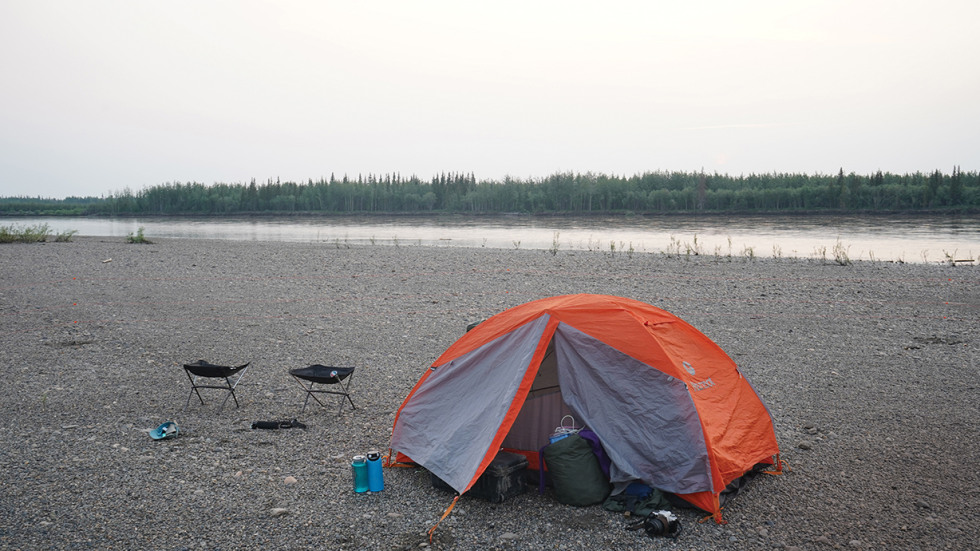
Gravel bar campsite on the Yukon River. Real estate was at a premium with the snowmelt surge. Photography: Arran Rounds MD'28 and Sara Flano MD'28.
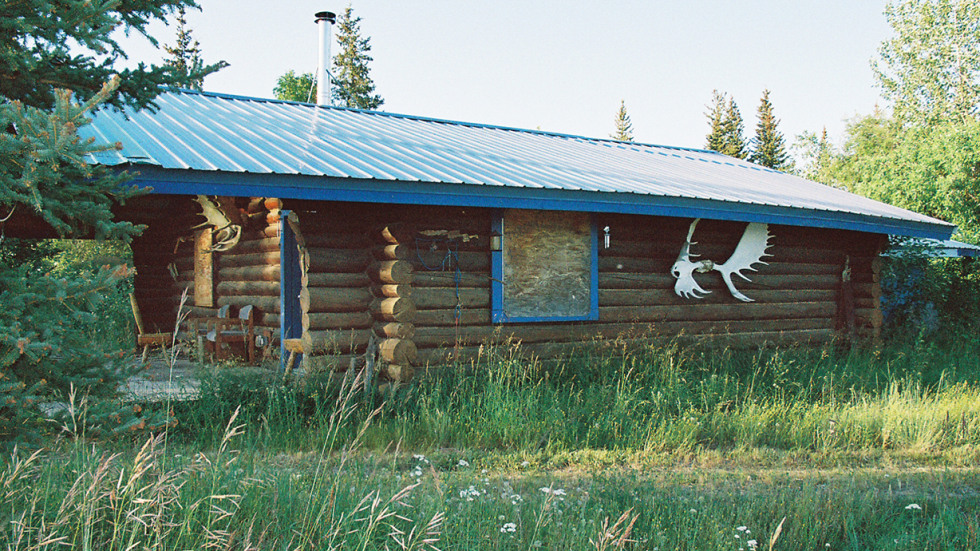
A home in Beaver, along the Yukon River. Photography: Arran Rounds MD'28 and Sara Flano MD'28.
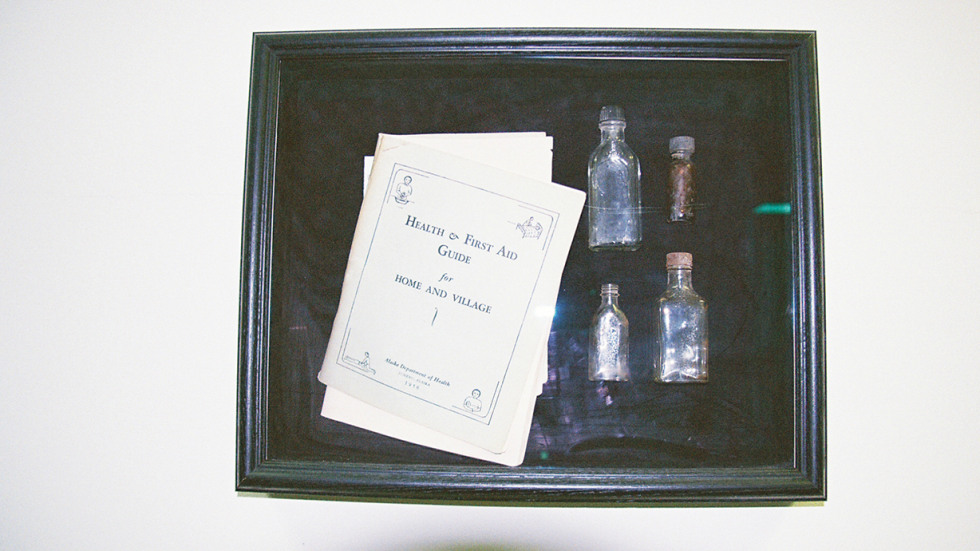
Medicine vials and a 1956 first aid guide on display at the Yukon Flats Health Clinic. Photography: Arran Rounds MD'28 and Sara Flano MD'28.
ORIGIN STORY
In the early 1900s, Alaska had some of the highest rates of tuberculosis in the world. TB was responsible for over a third of deaths in indigenous communities. The epidemic hit hardest where medical care was the farthest away, including the villages of the Yukon Flats.
Even after TB chemotherapy was developed in the 1940s, it was not logistically feasible to bring patients from remote communities to a central hospital for treatment. Instead, trusted village members were trained to administer medications and track infection cases. They became a lifeline in a public health crisis.
The success of these efforts demonstrated that people without medical backgrounds could provide lifesaving care. This laid the groundwork for the original CHA pilot program in the 1960s and its funding by Congress in 1968. Since then, the program has only grown. It is one of the most effective rural health care models in America, with approximately 550 CHAs working in more than 170 villages across Alaska.
CHAs are trained to provide emergency, maternal, pediatric, and primary care for both acute and chronic illnesses. They learn to complete all portions of a health care visit on their own, following step-by-step instructions in the Community Health Aide Manual for everything from treating the common cold to stabilizing compound fractures. CHAs work under the supervision of a physician, who is often based at a hospital hundreds of miles away. So they are usually on their own, with only their manual, and its time-honored advice, for guidance: “Take a deep breath and do your best.”
CHAs understand their patients on a level that rarely exists in the American medical system. Conventional medical education discourages health care workers from treating close family members. This is intended as a protective measure, allowing both providers and patients to keep health care and family life separate. But by necessity, CHAs treat their family members every day. As Fort Yukon’s CHA, Debbie McCarty, told us, “There is no one in this village that I’m not related to in some way.”
Prior to arriving in Alaska, this unique dynamic was something we had the most questions about. As we spoke to CHAs, it became clear it had many strengths but was not without complications. This level of familiarity bridges a gap between these communities and the Western medical system, whose complicated history of both harm and benefit has fueled mistrust and skepticism. Personal relationships with patients create an immediate connection for more effective care, but at the same time can place an enormous emotional burden on CHAs.
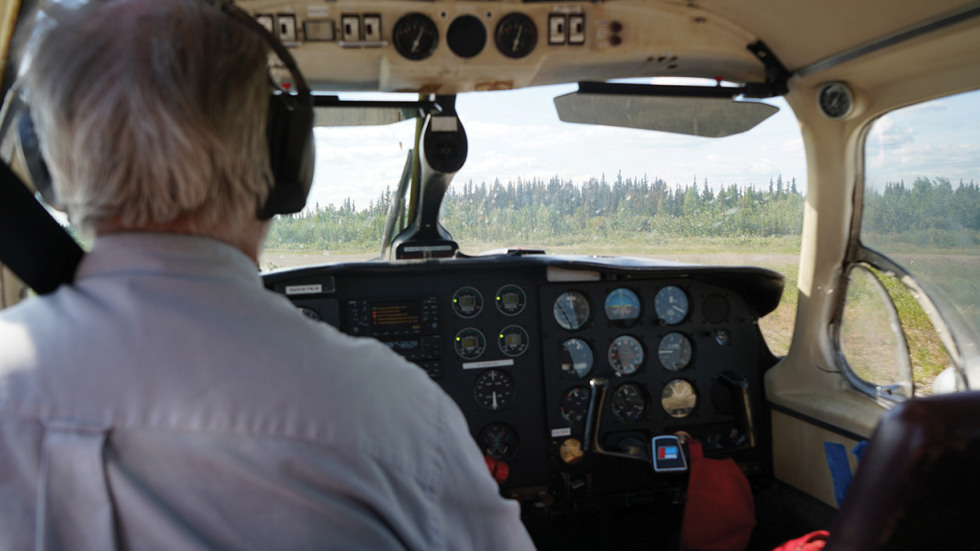
On the bush plane from Beaver to Fairbanks, before takeoff. Photography: Arran Rounds MD'28 and Sara Flano MD'28.
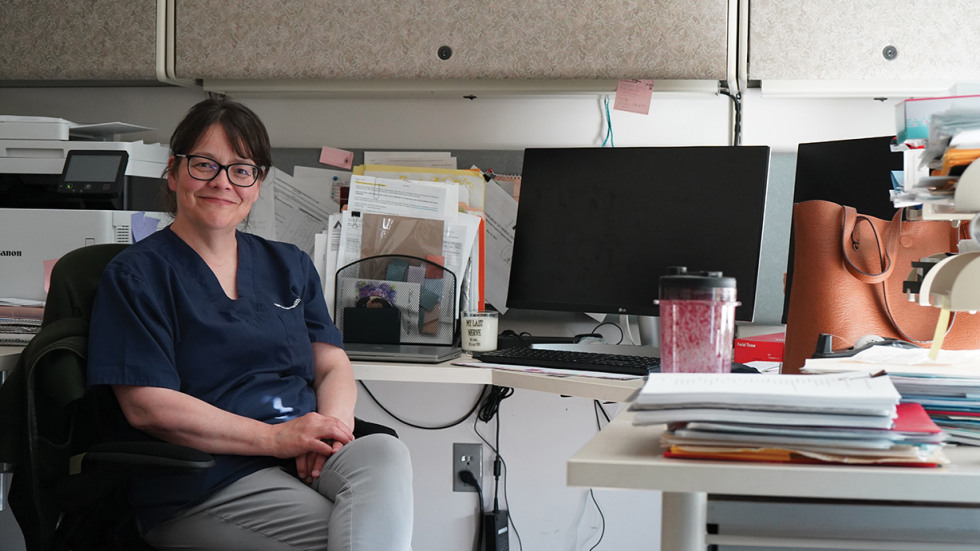
Debbie McCarty at the Yukon Flats Health Clinic. Photography: Arran Rounds MD'28 and Sara Flano MD'28.
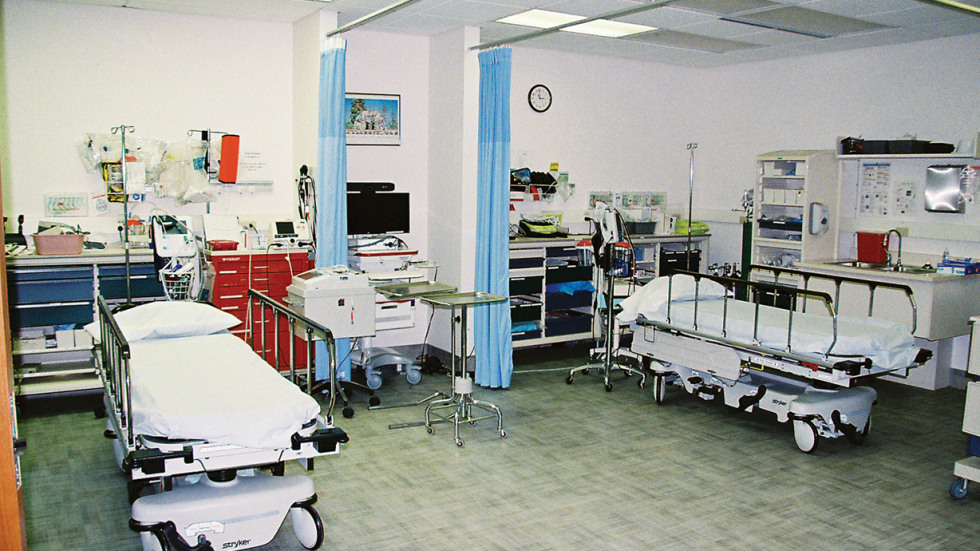
The emergency triage room at the Yukon Flats Health Clinic. Photography: Arran Rounds MD'28 and Sara Flano MD'28.
DEBBIE
Debbie McCarty, 54, met our prop plane as soon as it landed on the Fort Yukon airstrip. She was waiting in a Chevrolet pickup truck alongside Alisa Alexander, MD, a Fairbanks-based physician who first introduced us to the program. They warmly greeted us, grabbed our bags, and whisked us off to the Yukon Flats Health Center.
Fort Yukon is the largest village in the region, with a fluctuating population of around 500. Everyone knows everyone. When people call for the Fort Yukon ambulance, they provide the homeowner’s name rather than a street address. At the clinic, Debbie and Dr. Alexander were preparing the body of one of Debbie’s cousins. We were taken aback by this, but it was the norm for her. Over three decades of service to Fort Yukon, she has cared for hundreds of family members at all stages of life and death.
Debbie’s introduction to health care began at 18, when she took a job as a receptionist at the Fort Yukon clinic. At the time, it was little more than a couple of rooms and a radio line to Fairbanks. She soon trained as a CHA, and became one of the few health care workers for Fort Yukon.
She told us stories of transporting patients via snowmobile for dozens of miles in cripplingly cold conditions, using the heat of her body to prevent IV fluids from freezing along the way. She spoke without pomp or circumstance, always saying that she did what she had to do—nothing extraordinary.
Debbie saw thousands of patients and completed further training to become a higher-level provider: a community health practitioner. Now the clinic director, she has transformed the Yukon Flats Health Center into the comprehensive facility it is today. The current building, which opened in 2007, is equipped with an emergency room, multiple exam rooms, dental and mental health clinics, a phlebotomy laboratory, and radiologic imaging.
In a 2024 report to the US Department of Health and Human Services, the Alaska Tribal Health System reported that the Yukon Flats Health Center provided 24/7 care to 999 patients in Fort Yukon and the six nearest villages. Thanks to Debbie’s efforts, she no longer cares for them on her own. Her team now includes physicians, nurse practitioners, and dental and mental health aides. She also secures funding for the clinic, trains CHAs, and deals with mountains of paperwork.
While we were there she was even moonlighting as the janitor as they searched for a new one. Each morning, we arrived to find her mopping the clinic’s floors. Debbie embodies the best of what medical training programs try to instill in their graduates: selflessness, compassion, an unwavering commitment to patient care. Everyone we talked to in Fort Yukon had a story about Debbie. She is a bedrock of the community.
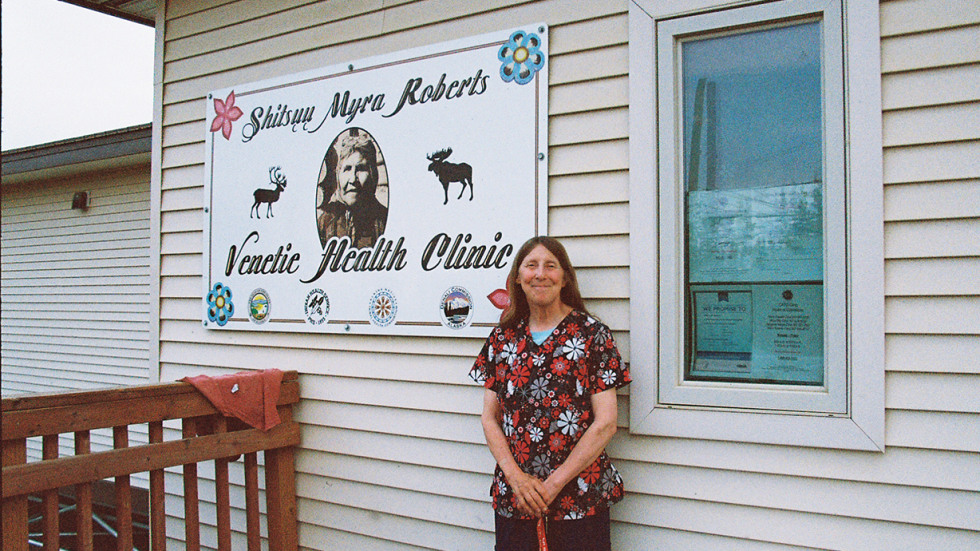
Margo Simple poses for a quick photo outside her clinic just as the mosquitoes begin to swarm. Photography: Arran Rounds MD'28 and Sara Flano MD'28.
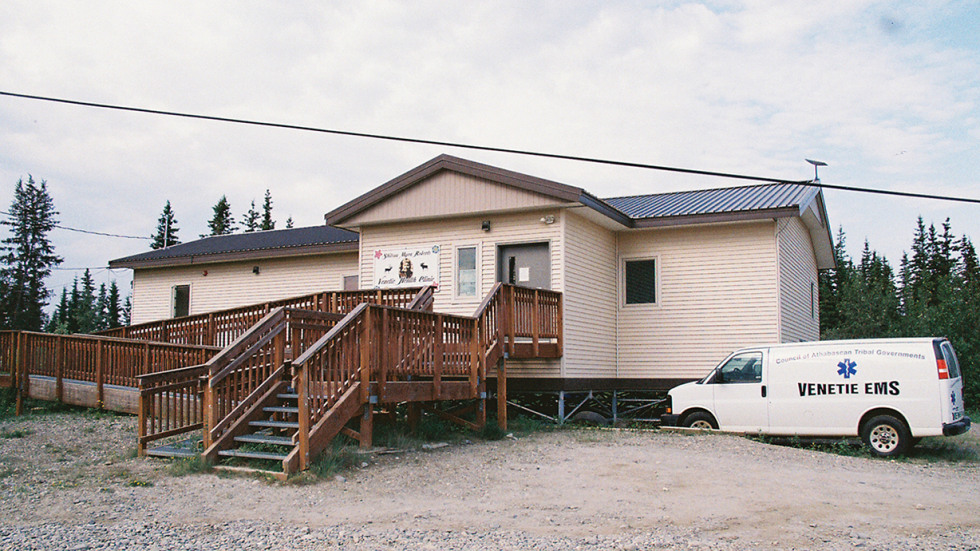
The Shitsuu Myra Roberts Health Clinic in Venetie replaced an old log cabin clinic in 2015. Photography: Arran Rounds MD'28 and Sara Flano MD'28.
MARGO
Forty-five miles north of Fort Yukon, and 30 miles into the Arctic Circle, Margo Simple provides equally dedicated care to the community of Venetie. Even smaller and more remote than Fort Yukon, Venetie has 205 residents, not all of whom live there year-round.
We first spoke to Margo, 65, over the whirring of an outboard motor on the three-hour boat ride from Fort Yukon to Venetie. Unlike most people we met in the Upper Yukon, Margo was not born in Alaska. Raised on Jack London tales in New Jersey, she had a childhood pull to pursue a life in the Last Frontier. She attended the University of Alaska Fairbanks to earn her teaching degree and never looked back.
Teaching brought Margo to Venetie, where she met her husband, Gary Sr. They have three children, multiple grandchildren, and one adorable dog named Biscuit (Tsoucha in Gwich’in). Her son, Gary Jr., is the village chief.
After teaching for many years and raising her children, Margo looked to change careers. The CHA program offers one of the few stable jobs within these villages. For their tireless hours, they receive employment benefits, including health insurance, a retirement fund, further education assistance, and paid time off.
Margo became a CHA in 2012. In our four days with her, she made multiple home visits in her family’s four-wheeler or pickup truck. Her time in the clinic consisted of extensive follow-up with her sick neighbors. Like Debbie, Margo had a knack for diverting the conversation away from herself and her work.
She shared many stories about Jessie Williams, Venetie’s first CHA, and the care she provided. Margo spoke with admiration for the providers who came before her, like Williams, and her hope that she is continuing the legacy of care they established.
Margo is the only CHA we met, or heard about, who is zero parts Alaska Native. Yet she is fully immersed in Gwich’in culture. She speaks with reverence about local traditions and with joy about her integration into the village. She has a fantastic grasp of the language, so much so that while serving as the church deacon, she delivers half of her sermons in Gwich’in. We enjoyed watching her fill that role on the Sunday morning we left town. She stood before the congregation with scrubs peeking out from underneath her deacon’s robes.
Before we left Venetie, Margo and Sara climbed the steps to the clinic. White cotton balls from the surrounding alders wafted through the air. Margo said they’re a sign that the salmon are coming soon. With about 100 miles of river floating between Venetie and Beaver, Sara said she hoped Margo was right: “I want the bears to have plenty of other options other than me.”
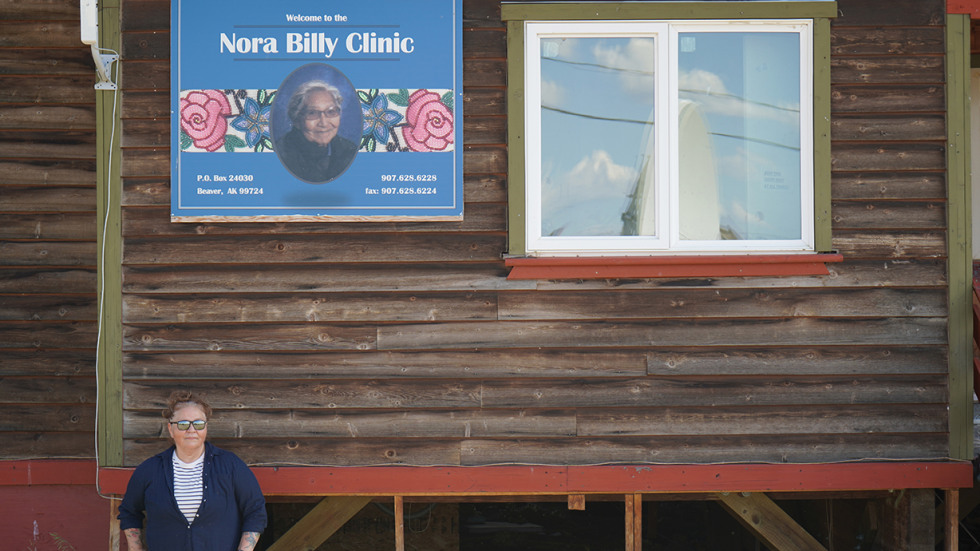
Kim Andon outside the health clinic and Village Council office in Beaver. Photography: Arran Rounds MD'28 and Sara Flano MD'28.
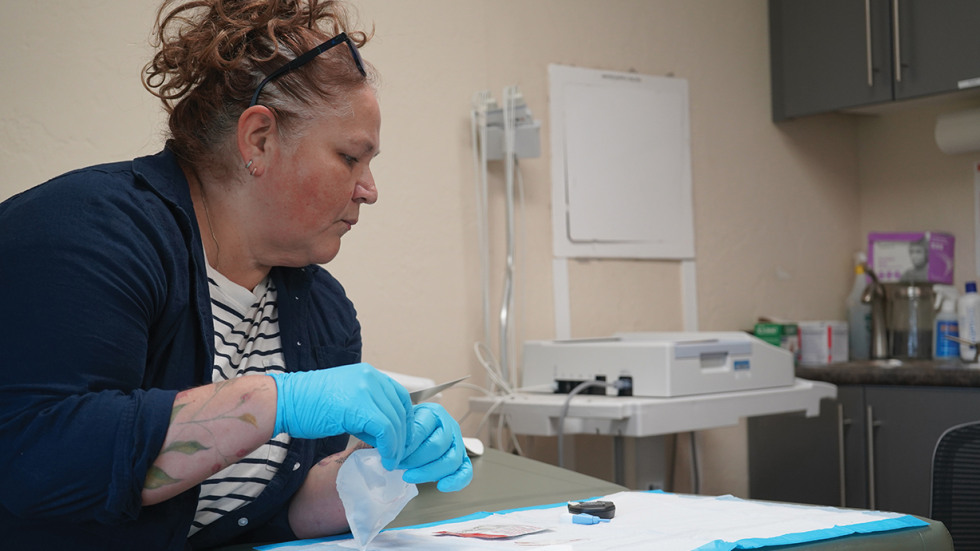
Kim preps materials at the A1c drive. Photography: Arran Rounds MD'28 and Sara Flano MD'28.
KIM
Our next stop, Beaver, was a six-day float down the Yukon from Venetie. Beaver is one of the smaller villages in the Upper Yukon, with just 45 year-round residents. There we met the CHA, Kim Andon, at the Nora Billy Health Clinic, on the first floor of the town’s only two-story building, below the tribal governance office.
Nora Billy was Kim’s grandmother and one of the first health aides in the region; she began her work in the years when dogsled was still a prevailing form of transportation. Kim, now 55, grew up watching her grandmother manage the health care of their community. When she eventually took on the role herself, she realized how much strength it took to care for the people she loved.
The emotional demands on a CHA are immense. There is no anonymity. Every patient is someone Kim knows well. Kim talked to us the most about burnout. The job is 24/7. When patients are family members and neighbors, clinic hours are not boundaries. They come by her house, stop her on the street, and call at any hour. The unparalleled access to health care that the CHA program offers can come at the expense of the mental health of providers.
Talking to Kim helped us understand why the CHA Program requires its providers to take two weeks off for every two weeks of work. After a large or traumatic event, CHAs must meet with a debrief team, which includes behavioral health support. It’s a system instituted to reduce turnover; there is no way a CHA can perform at a high level, month after month, without this break.
The CHAs we spoke to shared the sentiment that burnout is inevitable—it’s not a matter of if, but when. That paradigm is shifting. The Council of Athabascan Tribal Governments, which employs all of the CHAs in the villages we visited, has worked diligently to create a system that supports their providers while allowing them to continue caring for their communities. Kim, Margo, Debbie, and all CHAs are not readily replaceable.
FOOD FOR THOUGHT
Subsistence hunting and fishing have been crucial to community health in the Upper Yukon as long as these villages have existed. Salmon, moose, and caribou were staple and reliable food sources. But restrictive legislation and climate change have decimated that way of life. Salmon fishing is severely reduced, moose populations are sensitive to external pressures, and caribou are particularly susceptible to changes in temperature.
Even as traditional food sources dwindle, options are sparse. Fort Yukon has a small, expensive grocery store; Venetie has a market that sells basic provisions at high prices; Beaver has none. Most residents have their groceries—much of it highly processed, and costing considerably more than the national average—flown in from Fairbanks at a rate of 60 cents per pound.
While we were in Beaver, Kim ran an A1c drive, offering a lottery ticket for five gallons of gas to each person who had theirs checked. With the price of gas at $9 a gallon last summer, this was a strong incentive to get her neighbors in the door so she could catch anyone with new signs of pre-diabetes. Of the nine people who came, four had A1c levels above the healthy range.
Rural Alaskan communities grapple with health challenges familiar to those of the Lower 48. A history of substance and alcohol abuse has been exacerbated by the national opioid crisis. Jobs in the villages are few. Mental health challenges are widespread. The behavioral health aide program, an offshoot of the CHA program, aims to address these issues.
In Fort Yukon, counselors host events at the community center, making themselves available to people as they enjoy a meal and learn about a traditional practice like making hats, boots, mittens, and parka ruffs, or get haircuts or watch a movie. The CHA model recognizes that health care is at its best when money is invested in what matters locally.
And the challenges facing Alaska’s Interior mirror those across the United States. The AAMC projects a shortage of up to 124,000 physicians nationwide over the next decade. Estimates from the Commonwealth Fund indicate that 92 percent of rural US counties have a shortage of primary care providers.
The CHA Program offers solutions to these challenges. A 2024 study found that physicians from rural backgrounds are 25 percent more likely to continue working in rural areas. Training and empowering people who are already members of rural communities could expand access to care in some of the most remote regions in the United States—indeed, the Indian Health Service is already in the process of expanding the CHA Program to other states and indigenous communities.
Over a two-year period, CHAs recorded 272,242 patient encounters across 150 villages in Alaska. These patients were not seen by doctors, nurse practitioners, or physician assistants. They were cared for by community health aides and practitioners, without whom hundreds of thousands of acute, chronic, preventive, and emergency cases would not have been treated. The Community Health Aide Program has thrived for nearly 70 years because, to put it simply, it works.
UNDER THE MIDNIGHT SUN
On our final night floating down the Yukon River, we stopped paddling as the sun reached its lowest point on the horizon. We pulled our rafts ashore where the river began to bend sharply back west. When we craned our necks toward the skyline, we were able to see a few peaks of the White Mountains poking above the tree line to the south.
We pitched camp at the highest spot we could find on the gravel bar, did our requisite grizzly bear checks, and reminisced on the miles we’d traveled. The end of the trip felt like a transition in our medical education. Medical school up to this point had been lectures, small groups, and many hours between the anatomy lab and the library. This summer was different.
Our time interviewing and shadowing Debbie, Margo, and Kim gave us admirable examples of the practitioners we hope to become. As the embers flickered in the fire, we thought back to all of their stories. Each showed what true humility and dedication looked like in the health care setting. As we continue our training, we hope to never lose sight of Margo’s charge: “If someone is sick, you take care of them.”
Authors' Note: We are so grateful to Debbie, Margo, and Kim for generously sharing their lives and stories with us. Thank you to the Council of Athabascan Tribal Governments and the people of Fort Yukon, Venetie, and Beaver for welcoming us into their communities and clinics. We are also thankful for the continued mentorship and guidance of Dr. Jay Baruch and Dr. Alisa Alexander. This project was made possible through support from the Brown Arts Institute, the Dr. Veronica Petersen ’55 and Dr. Robert A. Petersen Educational Enhancement Fund, and the Summer Research Assistantship Program at The Warren Alpert Medical School of Brown University.